City building games demand more than just placing roads and houses. They test foresight, economic balance, and crisis management. The best strategy city building games for PC blend intricate systems with satisfying progression, letting players evolve from humble settlements into sprawling metropolises. Unlike casual builders, these titles emphasize long-term planning, resource scarcity, and the ripple effects of every decision.
Most fail early—not from lack of vision, but poor zoning, mismanaged infrastructure, or unchecked pollution. The difference between a thriving capital and a crumbling ghost town often comes down to understanding systems before laying the first foundation. That’s where the right game makes all the difference.
The following list focuses on titles where strategy isn’t optional—it’s embedded in every mechanic, forcing players to think like urban planners, not just decorators.
---
Cities: Skylines – The Modern Benchmark
No discussion of city building games is complete without Cities: Skylines. Released in 2015, it quickly dethroned SimCity as the go-to urban simulator. Its success lies in scalability, mod support, and an intelligent traffic AI that turns congestion into a puzzle.
Why It Stands Out:
- Deep simulation: Citizens have routines (work, leisure, sleep), and traffic impacts everything from emergency response to pollution.
- Mod-friendly: Over 300,000 mods on the Steam Workshop let you add subways, realistic weather, or even full regional maps.
- Educational value: Players learn real-world urban planning concepts like mixed zoning, transit-oriented development, and sewage management.
A common mistake? Over-extending residential zones too early. Without sufficient jobs or services, your city fills with abandoned buildings. The fix: balance growth with employment and public services.
Cities: Skylines works best when you treat it like a living ecosystem. Let growth unfold gradually. Use the info views to monitor happiness, pollution, and traffic flow. And never ignore the water—mismanaged sewage can poison residential areas and cripple your population growth.
---
Frostpunk – City Survival in the Frozen Apocalypse
Frostpunk shifts the genre toward survival strategy. Set in a steampunk ice age, it forces moral choices: do you enact child labor laws to survive the cold? Freeze dissenters to maintain order?
Core Mechanics:
- Temperature as a core threat: Heat sources are finite. Expansion means managing generators and insulation.
- Law system: Enact policies that boost efficiency but erode hope.
- Narrative pressure: The city’s survival is tied to story events—failed decisions trigger unrest or collapse.
Frostpunk isn’t about beauty. It’s about triage. You’ll face blizzards with failing power grids, disease outbreaks, and food shortages—all while managing public trust. The best players don’t maximize population; they optimize for resilience.
Tip: Always overbuild coal stockpiles. A single storm can double fuel consumption. And never delay shelter construction—homeless citizens die fast in -60°C.
This game redefines city building as crisis governance. It’s less “design your dream city” and more “prevent societal collapse.”
---
Surviving the Aftermath – Post-Apocalyptic City Strategy
From the makers of Survivors, Surviving the Aftermath blends base-building with colony management in a ruined Earth. Climate disasters, raiders, and resource scarcity shape every decision.
Strategic Depth:
- Procedural maps: Each playthrough offers unique terrain and hazards.
- Tech tree progression: Unlock greenhouses, water purifiers, and defense systems.
- Exploration mechanic: Send drones or scouts to scavenge resources and uncover story fragments.
Where other games focus on aesthetics, Surviving the Aftermath is lean and functional. You’re not building a city—you’re rebuilding civilization.
A frequent oversight? Ignoring geothermal vents. These provide stable power but require early investment. Delay it, and you’ll burn through fuel reserves during winter.
Also, don’t overcommit to one resource. Diversify: combine solar, wind, and geothermal. Relying solely on solar during a months-long dust storm is a fast track to blackouts.
---
Banished – Simplicity with Brutal
Consequences
Banished strips away the polish for raw survival. No roads, no traffic AI—just families, food, and the seasons. You manage a group of exiles starting from scratch in medieval wilderness.
What It Teaches:
- Population dynamics: Citizens age, marry, and die. Lose too many adults, and your workforce collapses.
- Seasonal cycles: Winter can starve your town if food storage is inadequate.
- No undo button: Mistakes compound. Over-hunting depletes game. Deforestation causes soil erosion.
Players used to modern UIs often struggle with Banished’s minimal feedback. There’s no happiness meter—only indirect cues like school attendance or home upgrades.
Success comes from restraint. Build slowly. Prioritize food and shelter before schools or churches. And always store two winters’ worth of food.
It’s the anti-Skylines: small in scale, massive in consequence.
---
Rise to Ruins – Hybrid Strategy with RPG Elements
Rise to Ruins defies easy categorization. It mashes city building with RTS and RPG mechanics. You control individual workers, assign skills, and defend against invasions.
Key Features:
- Unit control: Micromanage builders, farmers, and soldiers.
- Magic and monsters: Witches, dragons, and enchanted forests add unpredictability.
- Procedural events: Bandits attack, plagues spread, and heroes emerge.
This game rewards multitasking. You’re simultaneously laying foundations, training guards, and casting spells. It’s chaotic—but that’s the point.
New players often fail by neglecting defense. Build walls early. Assign fighters. Use terrain to your advantage—chokepoints reduce invasion damage.
Rise to Ruins is ideal for players who find traditional city builders too passive. It’s strategy with hands-on urgency.
---
Anno Series – Economic Mastery Over
Empire

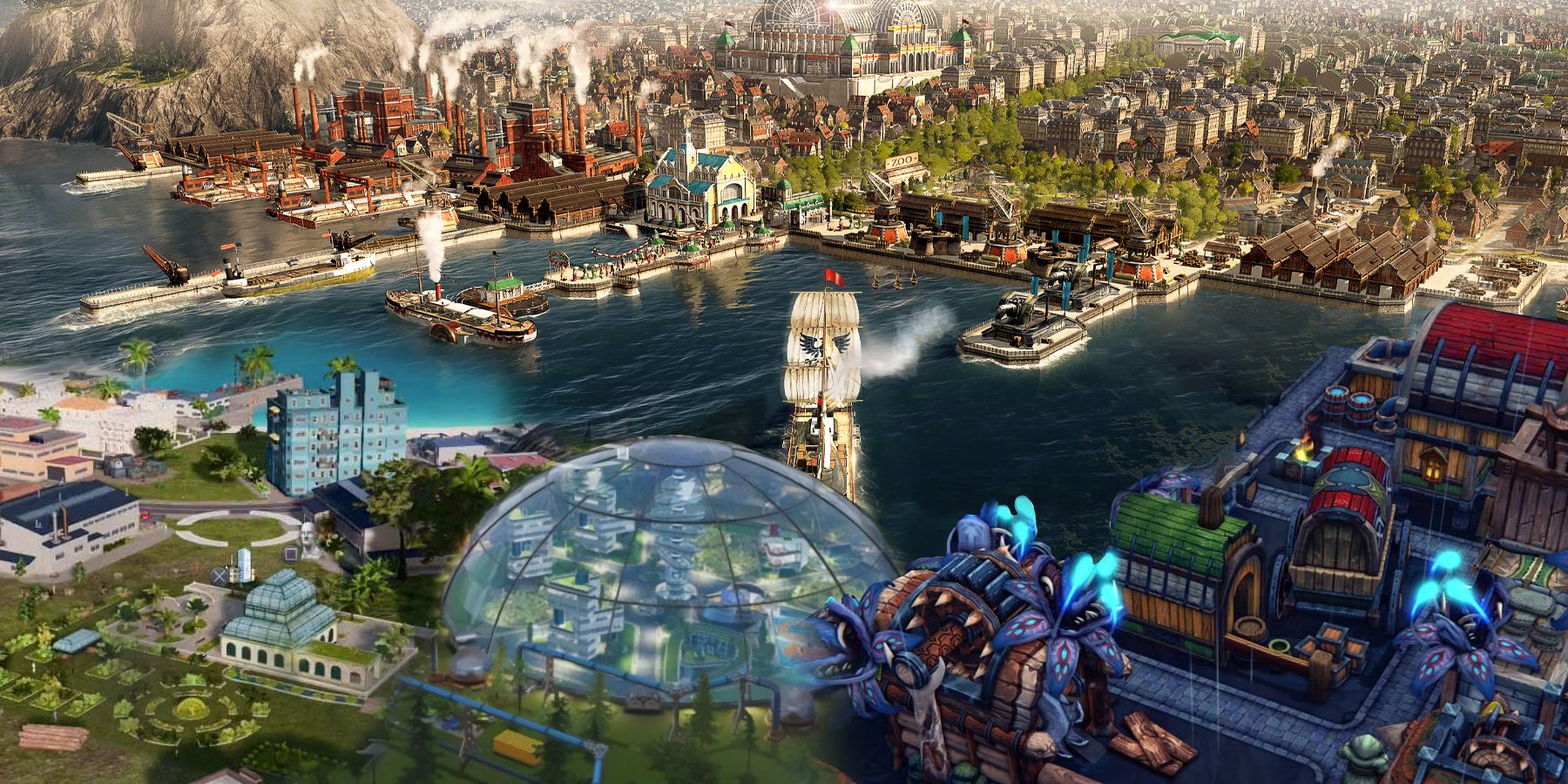
The Anno franchise, especially Anno 1800 and Anno 2207, focuses on complex supply chains. You don’t just build cities—you manage inter-island trade, research trees, and political influence.
Strategic Highlights:
- Production chains: Turn raw iron into steel, then into machinery, then export goods.
- Diplomacy and espionage: Sabotage rivals or form trade agreements.
- Class-based population: Citizens demand better housing as their needs evolve.
Anno 1800 is the most accessible. Its industrial revolution setting offers rich visuals and deep logistics. But mismanaging a single link—say, coal supply for steel mills—can collapse your entire economy.
Tip: Use the logistics panel to track shipments. Over-rely on one island for food? A storm can cut supply lines. Always have backups.
Anno games are less about city beauty, more about industrial ballet. When your factory network runs smoothly, it’s pure satisfaction.
---
Top 5 Strategy City Building Games
Compared
| Game | Best For | Learning Curve | Mod Support | Longevity |
|---|---|---|---|---|
| Cities: Skylines | Realistic urban planning | Medium | Excellent | Very High |
| Frostpunk | Crisis management & ethics | Steep | Moderate | High |
| Surviving the Aftermath | Post-apocalyptic survival | Medium | Low | High |
| Banished | Minimalist survival | Low-Medium | None | Medium |
| Anno 1800 | Industrial logistics | Steep | Moderate | Very High |
Each game serves a different strategic appetite. Choose based on what kind of challenge excites you: economic optimization, disaster response, or survival triage.
---
Common Pitfalls in Strategy City Building
Even experienced players repeat these mistakes:
- Overbuilding early: More zones ≠ more growth. Infrastructure must keep pace.
- Ignoring citizen needs: A city with no schools or clinics stalls in development.
- Neglecting backups: One failed power plant can blackout a district. Diversify energy sources.
- Micromanaging everything: Use policies and district budgets to automate where possible.
- Skipping save backups: Always save before major changes. A bad policy can spark riots in minutes.
Pro tip: Use pause frequently. These are real-time games, but you’re not racing. Plan expansions, review budgets, and adjust policies at your pace.
---
How to Choose Your Next City Builder
Ask yourself: - Do I want realism or fantasy? (Skylines vs. Rise to Ruins) - Am I focused on economy or survival? (Anno vs. Frostpunk) - Do I prefer single settlements or regional management? (Banished vs. Surviving the Aftermath) - Is modding important? (Skylines wins by a mile)
Your playstyle dictates the best fit. There’s no universal “best”—only the best for your strategy.
---
Build Smarter, Not Bigger
The best strategy city building games for PC don’t reward speed—they reward patience, planning, and adaptation. Whether you’re managing heat in a frozen world or balancing class demands in an industrial empire, success comes from systems thinking.
Start small. Save often. Learn from collapse. And remember: every great city was once a failing village that someone refused to abandon.